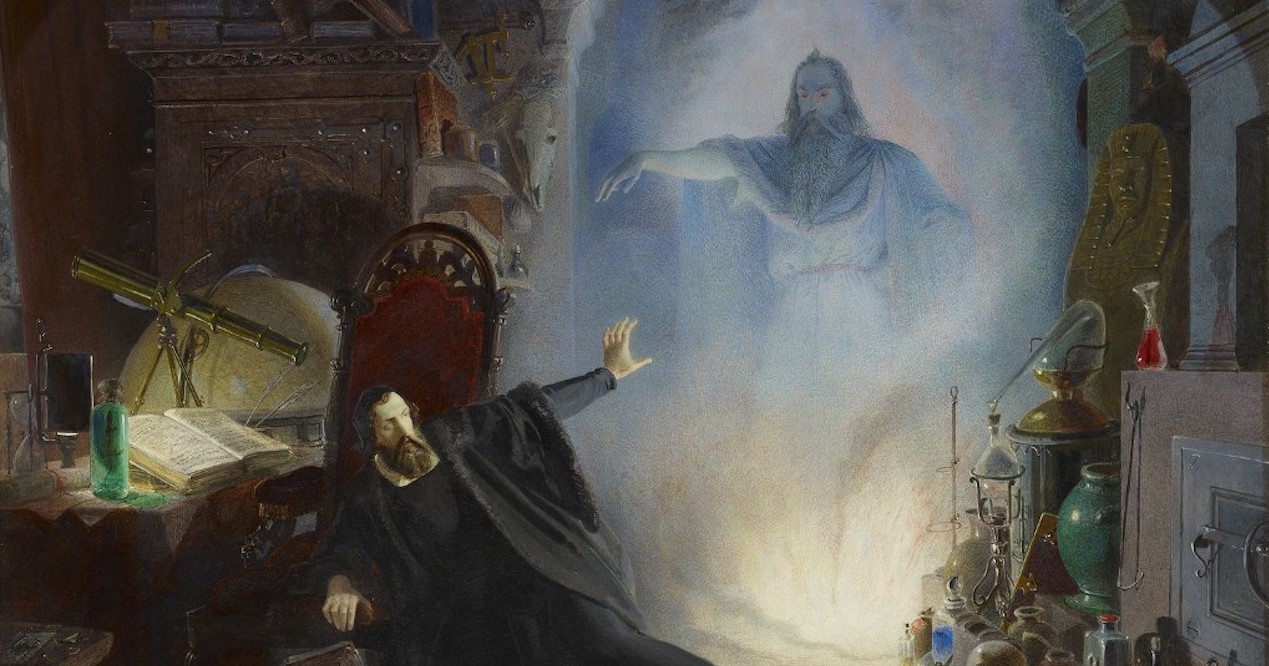
For Doctor Faustus, the antithetical quest for a return to an integrated being is irrevocably linked to the soul: the immaterial content of his character, which allows him to determine his fate.
Comments closedThe Channel Posts

In I’m Not There, Haynes deploys pastiche multifariously and daringly through six iterations of Bob Dylan and their respective stylistic citations of various film genres.
Comments closed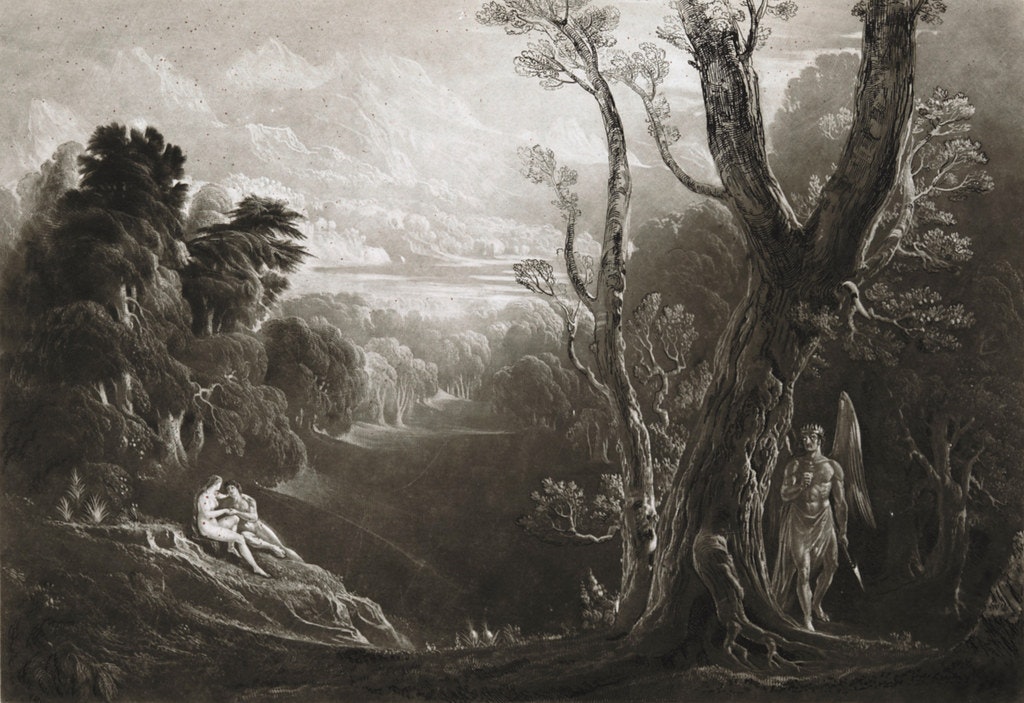
In Milton’s Paradise Lost Adam and Eve are not free; they are actors atop God’s woodie theatre, Paradise.
Comments closed
In Monkey Beach, Robinson reshapes Spam into a food of rebellion: it is a food which speaks of difference, whether it be between parent and child, colonial legacy and Indigenous culture, or past and present.
Comments closed
Through the lenses of Mrs Dalloway, her 1926 essay “On Being Ill,” and her 1923 short story “Mrs Dalloway in Bond Street,” Woolf interrogates the archive of traumas deemed worthy of heroization and remembrance within the cultural imaginary and acknowledges the unspoken traumas survivors were forced to bear alone.
Comments closed
Through the young girl’s departure and return to her home in Foster, Claire Keegan presents an ironic retelling of the parable of the Prodigal Son, critiquing the traditional authority afforded to the father of the Irish family.
Comments closed
Cunningham’s simultaneous evocation and minimization of political specificity acts as an exploration of Obama’s cultural iconization, while at the same time producing the conditions for Great Expectations’ success within the literary field.
Comments closed
“Guests of the Nation” distorts boundaries between guest, hostage, and host, as the “guests” of the story are, ultimately, colonial powers, and their ejection comes with the sacrifice of Irish hospitality.
Comments closed
As an externalization of Catherine’s postpartum depression and the emotional struggles she must confront, her symphony issues the cathartic scream Catherine needs to let out in order to escape the cycle of abuse she has been trapped in for years.
Comments closed
The relationship between the titular characters of The Two Gentlemen of Verona perfectly displays the nascent homosocial bond which recurs in Shakespeare’s work.
Comments closed