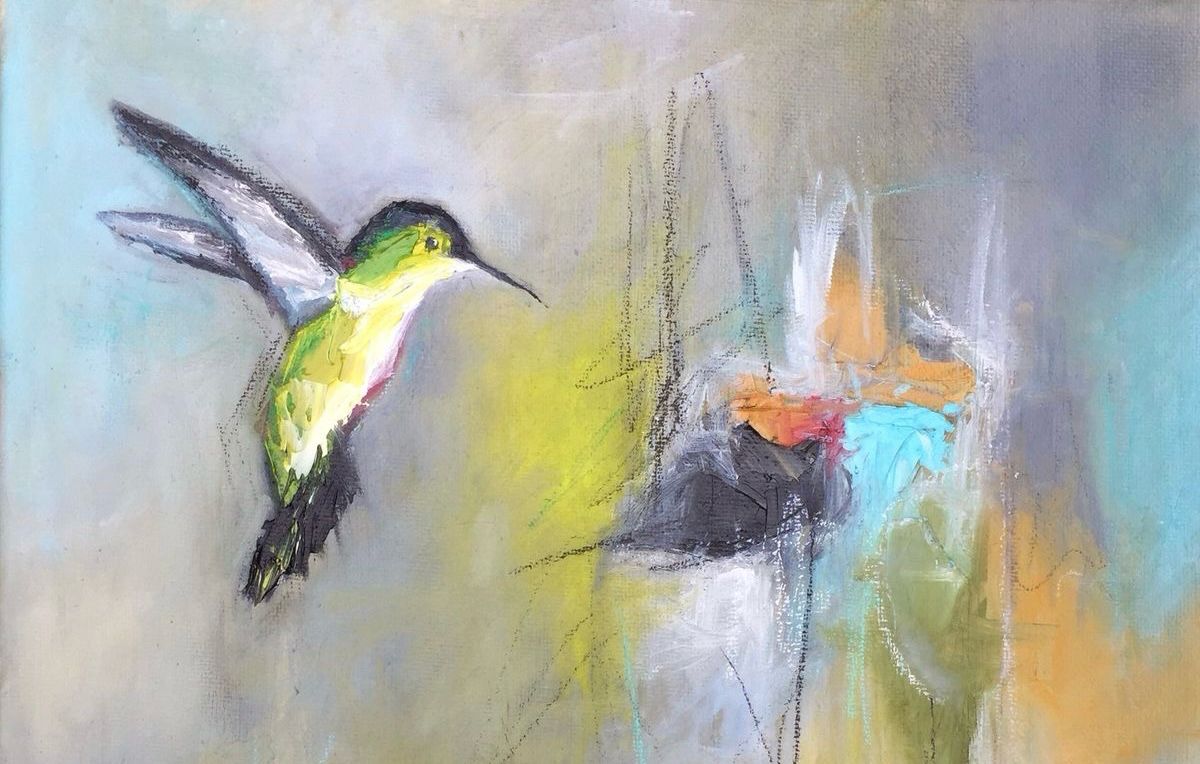
By weaponizing her abjection, Sethe successfully protects her children and reclaims her humanity, as she radically embodies her freedom through the violence she enacts.
Comments closedThe Channel Posts

Like the depressive person recounting a story with withering self-deprecation but betraying an underlying narcissism, Year of the Gun confesses to having lost its resolve in the face of narratively impenetrable systems of power and having blindly relied on an Italo-American relationship that can no longer support the Hollywood dreams of the fifties and sixties.
Comments closed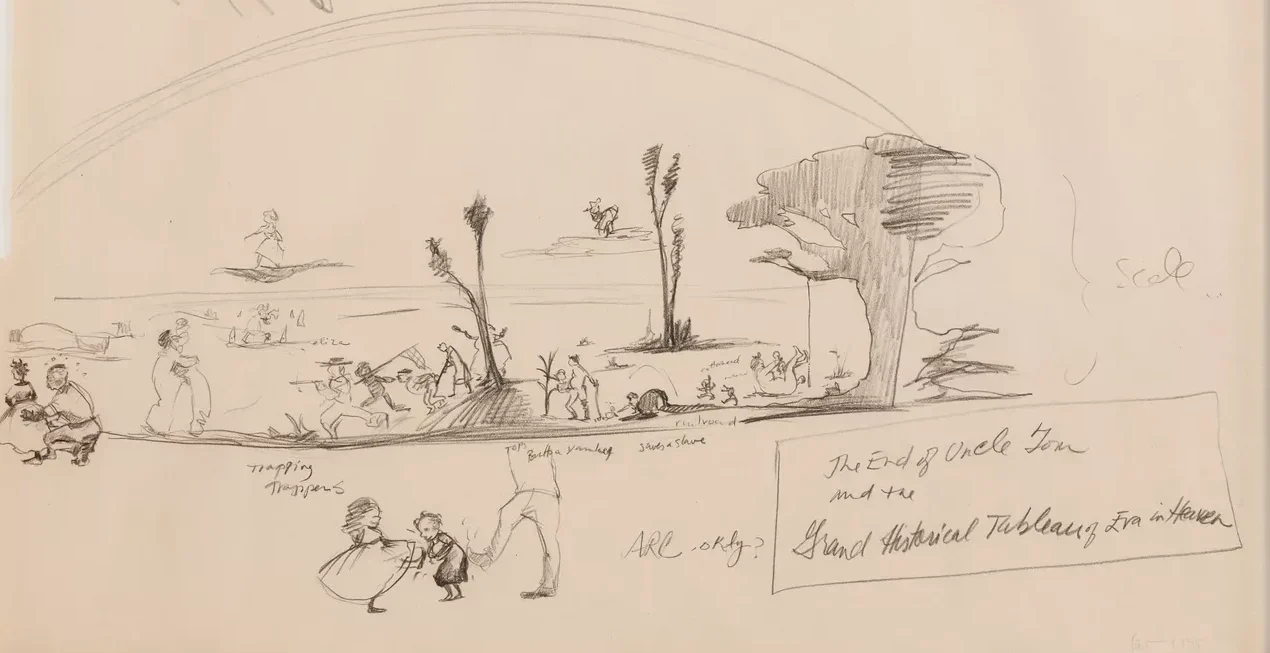
The notion of homeland and the use of violence in Césaire and Walker’s works are central to their critiques of oppression, ultimately shaping how their audiences engage with themes of resistance and liberation.
Comments closed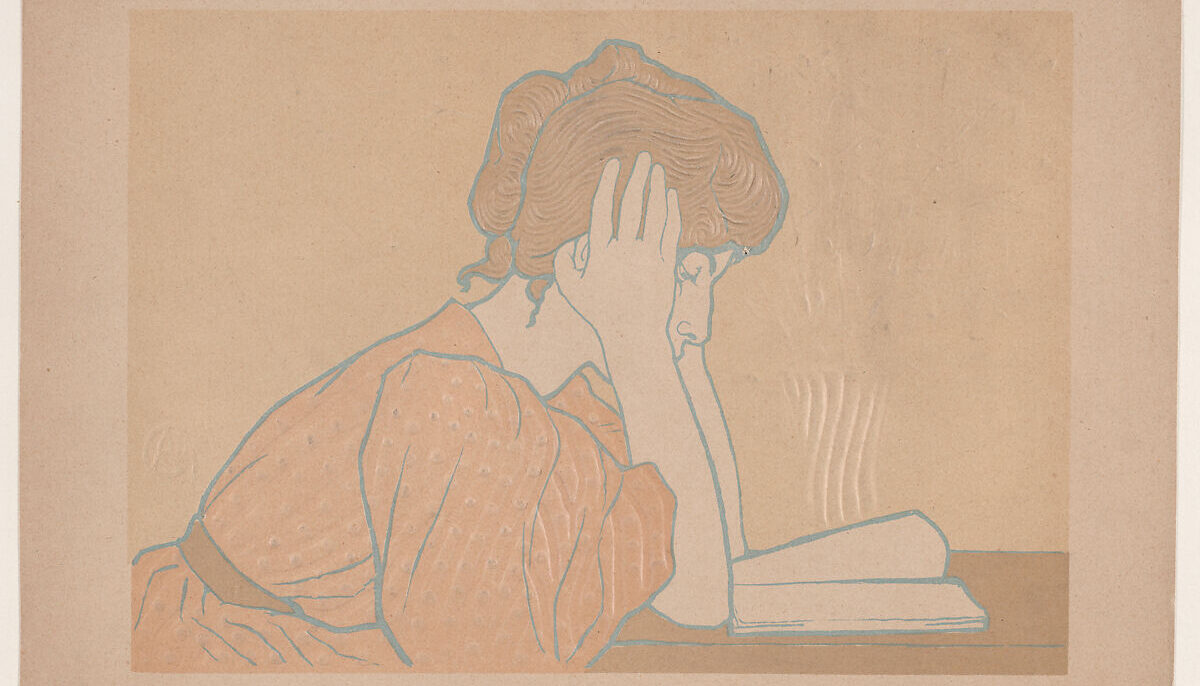
As social media reduces the identity of an individual to their appearance, the physical book can come to remind us that more exists between the neatly packaged, aesthetically curated cover.
Comments closed
Beyond merely representing the internet, both Easy A and Eighth Grade use it as a device to communicate key elements of the narrative, highlighting its importance as a site that organizes the teenage social system.
Comments closed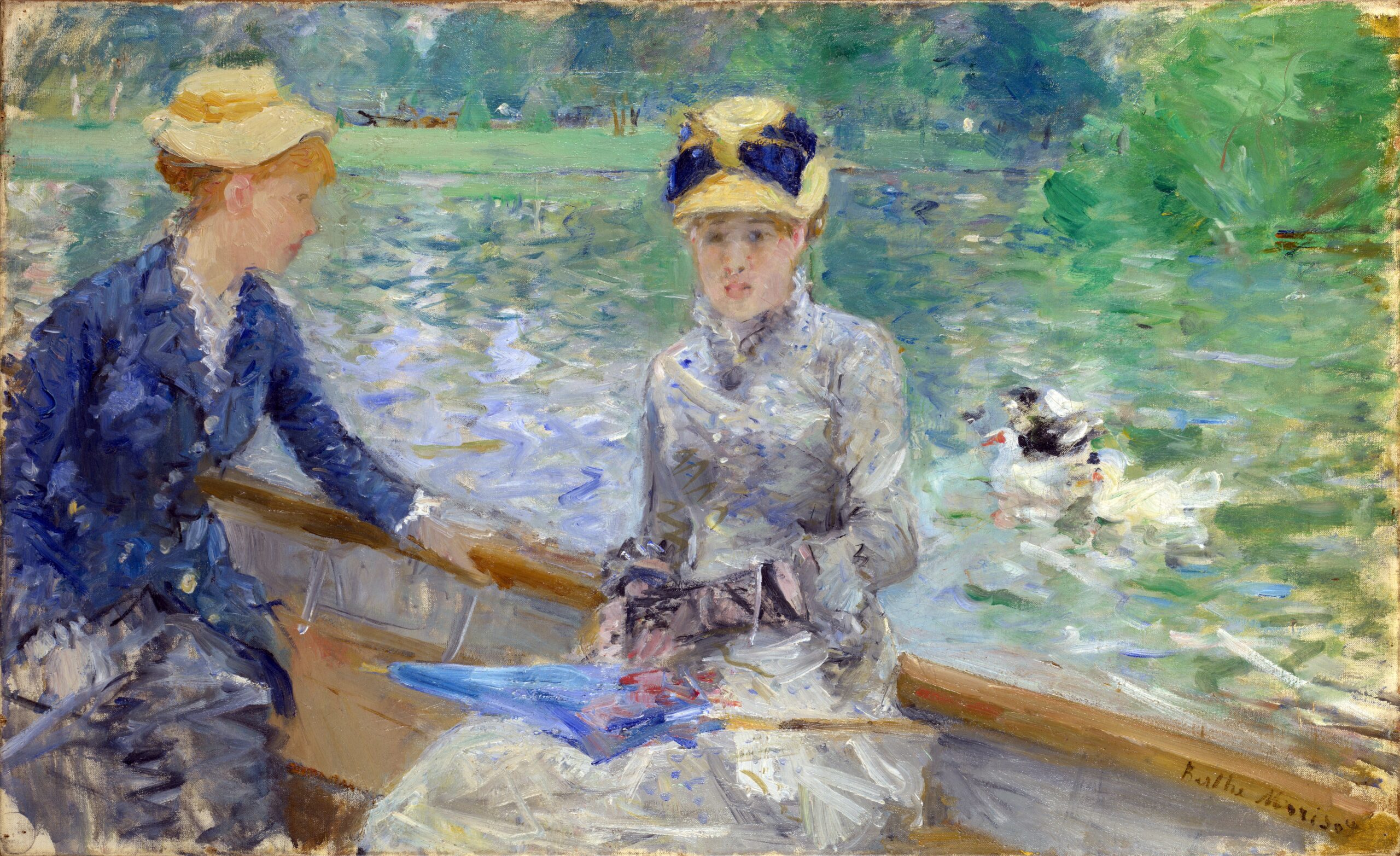
Wharton’s subversive use of typically feminine forms both aligns with and deviates from Austen, which reveals the extent to which Wharton draws on the inherited literary forms of female authors and rejects these conventions to create the social world of the novel.
Comments closed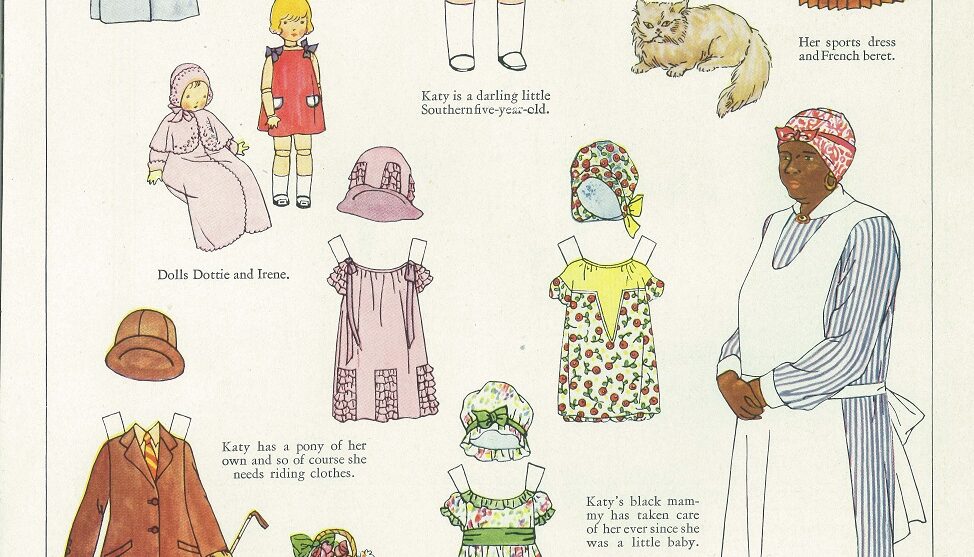
By situating black childhood as ‘deviant’ and white childhood as ‘innocent,’ American childhood became racialized and segregated. Toys and dolls helped establish these social contracts,
Comments closed
In “Washing Day,” temporality and memory liberate the speaker from oppressive patriarchal constructions of time, literary history, and labour, ultimately revealing how male-dominated institutions suppress women’s consciousness and imaginative capacities.
Comments closed
On the surface, the story of this image reaches a dead end. I want to know who those women are and who made the sign. Did they know each other? Where did they meet? Who is the photographer? Why are these details so hard to find?
Comments closed
The marginal symmetry between female authors and their footnotes authorizes the radical deployment of footnotes for women writers: footnotes can not only articulate women’s alienation and assert authorial agency, but in doing so, afford women the opportunity to permeate canonical male literary institutions.
Comments closed